The Future of AI in Waste Management
How AI and smart sensor technology are transforming waste management by preventing contamination at the source and optimizing recycling programs with data-driven insights.
Artificial intelligence and machine learning are fundamentally transforming how we approach waste management and recycling. From computer vision systems that can identify contaminants in real-time to predictive analytics that optimize collection routes, the recycling industry is undergoing a technological renaissance.
The Contamination Problem
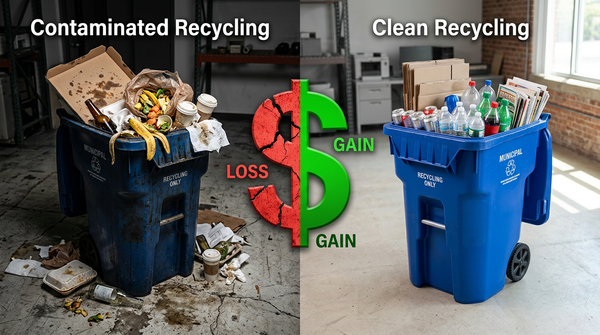
According to the EPA, contamination rates in single-stream recycling programs can reach as high as 25%. This means that one in every four items placed in a recycling bin shouldn't be there. The consequences are staggering: entire truckloads of otherwise recyclable materials end up in landfills because a few non-recyclable items have contaminated the batch.
How AI Changes the Game
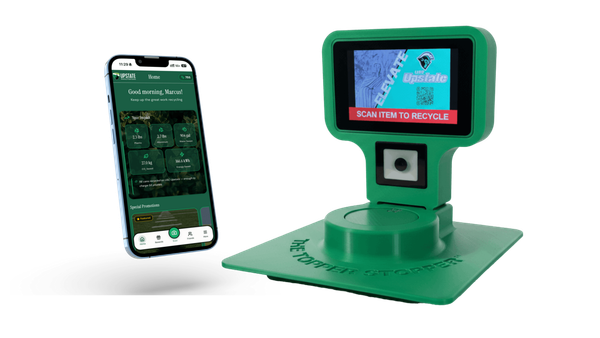
At Genesis 1 Technologies, we believe the solution starts at the source. Our Topper Stopper system uses smart sensor technology to prevent contamination before it enters the recycling stream. But the real power lies in the data we collect and how AI processes it.
Machine learning algorithms can identify patterns in waste streams that humans simply cannot detect at scale. By analyzing data from thousands of recycling events, our tsAnalytics platform can predict contamination hotspots, optimize bin placement, and provide municipalities with actionable insights to improve their recycling programs.
What's Next
The future of waste management is intelligent, data-driven, and deeply connected to our communities. As we continue to develop and refine our AI capabilities, we're not just building better recycling technology. We're building a cleaner world, and that's how we honor the one we've been given.